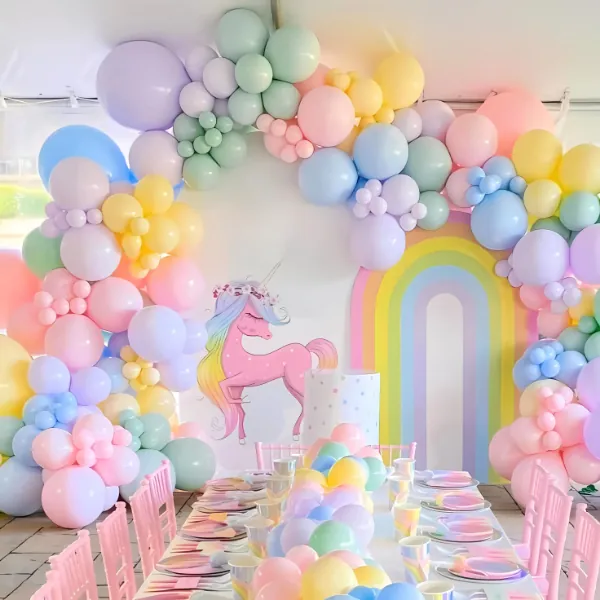
Nobody wants their child to be the one who wasn’t invited, and nobody wants to host thirty-five children in a living room. Both feelings are reasonable.
When to invite everyone
In nursery and the early primary years, inviting the whole class is common and often expected, especially if invitations are handed out at school. Children this age haven’t formed tight friendship groups, and leaving out a few is noticed.
When a smaller party is fine
From around age seven, many children have a handful of close friends. A small party of six to ten feels more personal and is easier to manage. That’s perfectly fine, as long as the invitations are sent privately to parents rather than handed out in class.
Making a big party manageable
- Choose a venue with space: a clubhouse, banquet or lawn
- Book a games host to keep thirty children engaged
- Plan a simple, structured run of show
- Serve easy food at kids’ tables
- Keep return gifts identical to avoid comparisons
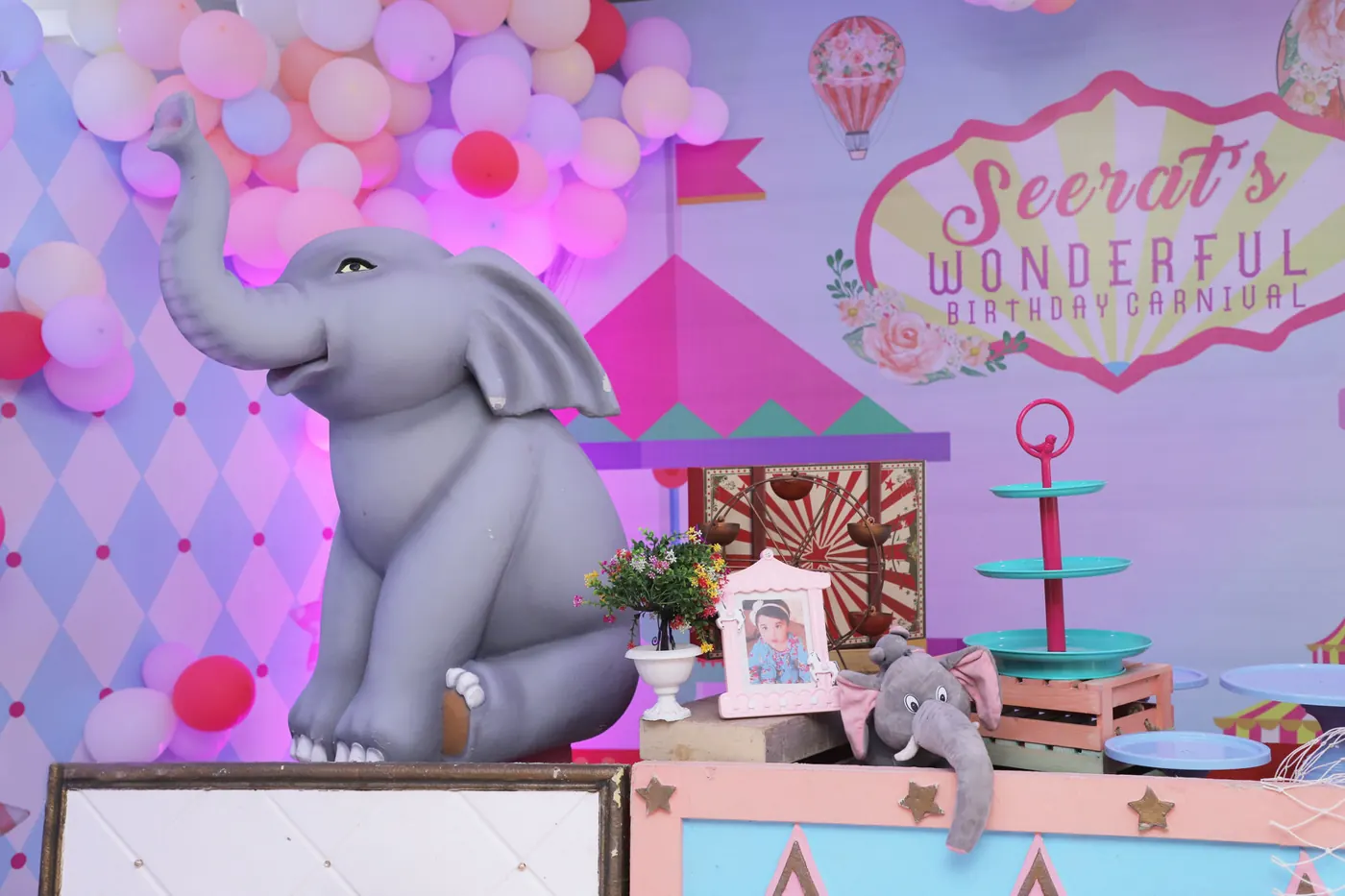
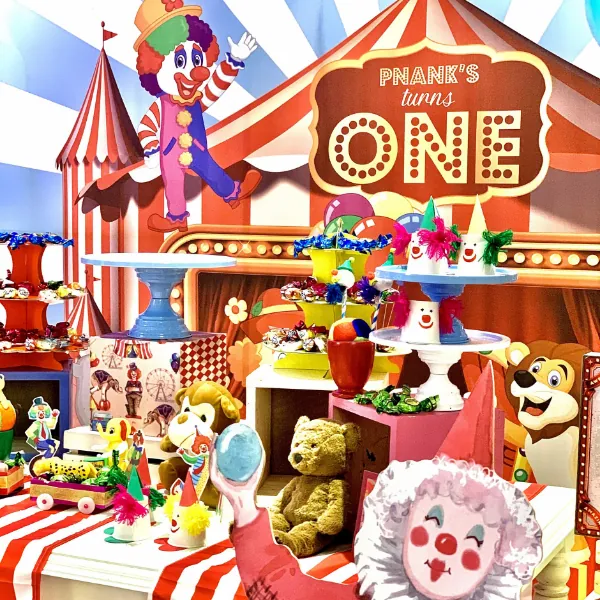
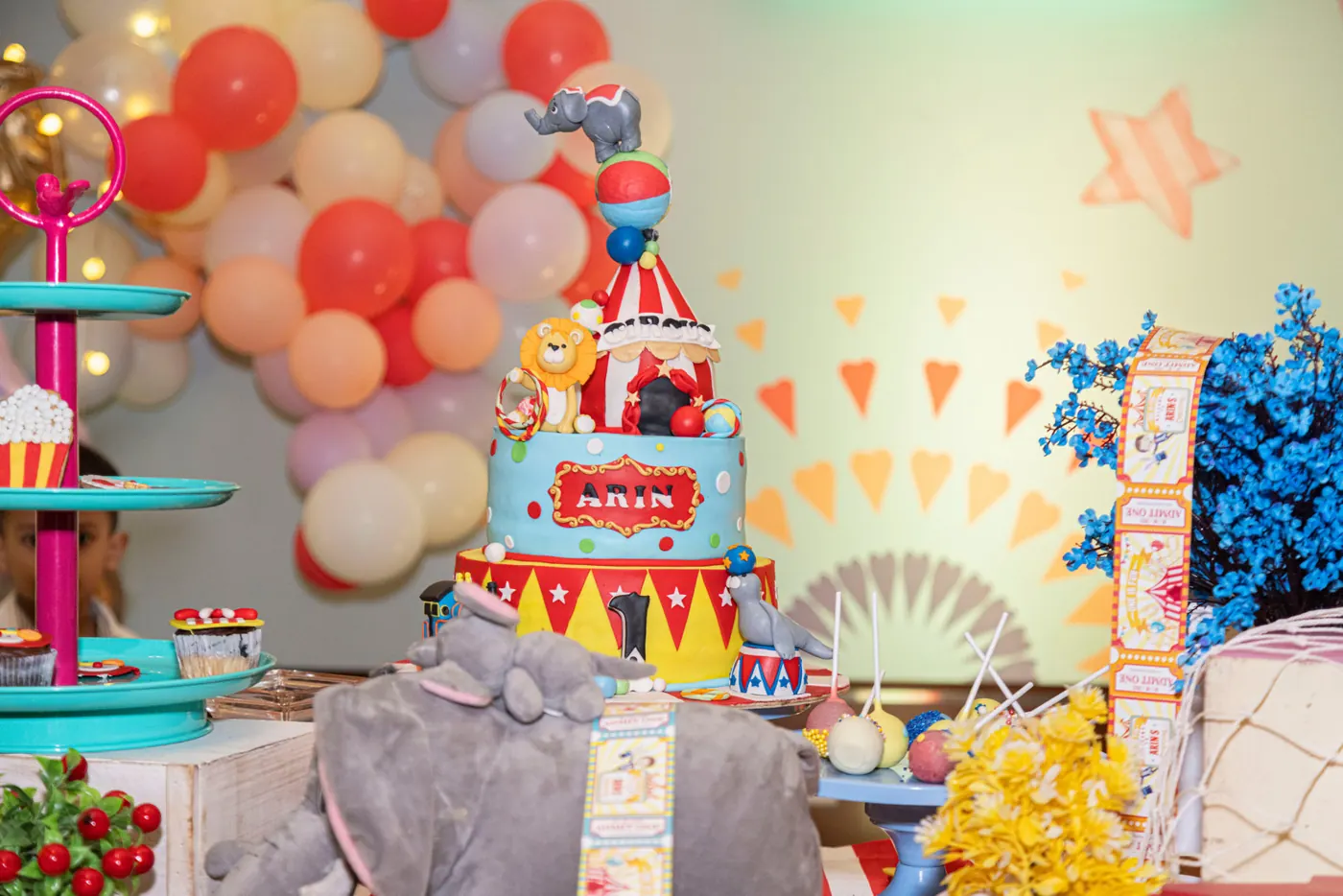
A carnival with game stalls is a lovely way to host a whole class, because children move between stations in small groups instead of crowding together.
Other kind options
- Invite all the boys or all the girls, if the class is split that way and your child prefers
- Host a small party with friends, and send a treat to school for the whole class (if the school allows)
- Hold two smaller gatherings: family and close friends
Ask your child
Ask your child who really matters to them. Often the list is shorter, and kinder, than you expect.
Quick answers
Is it rude not to invite the whole class?
Not if you keep it discreet: send invites privately to parents and don’t discuss the party at school.
How do I manage 30 kids at a party?
Choose a large venue, book a games host and plan structured activities in small groups.
At what age do smaller parties make sense?
From around age seven, when children usually have a small group of close friends.